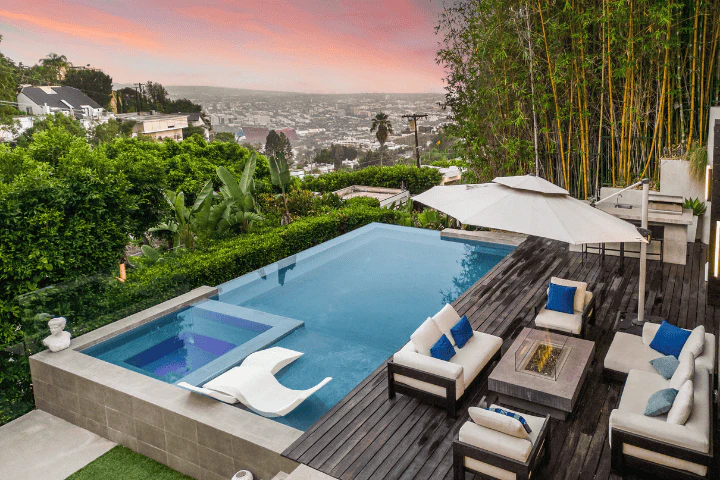
Luxury travel is evolving fast. What once relied on opulence and status now centers on meaning, wellness, privacy, and curated experiences. Below are some luxury trends reshaping the high-end travel landscape, and what each means for savvy travel advisors.

Wellness & Well-Being Leading Travel Intent
- The global “wellness economy” reached an estimated US$6.8 trillion in 2024, reflecting strong worldwide demand for health- and wellness-focused travel.
- The subset of wellness tourism alone is expanding rapidly. In 2024,wellness-related travel expenditures reached US$895 billion, with continuing growth projected over the next decade.
Today’s luxury travelers are increasingly booking trips not just for leisure or status, but to rest, rejuvenate, and reset, whether through spa retreats, nature escapes, or immersive wellness experiences.
Advisor takeaway: Wellness isn’t a niche add-on. It is a core driver. Inquire early about clients’ wellbeing goals and match them with properties that offer restorative spaces and services.

Experiential, Purpose-Driven Travel Over Bucket-List Tourism
Travelers are increasingly prioritizing meaning over mileage. According to the2025 American Express Global Travel Trends report, younger luxury travelers are especially driven by authentic, story-rich experiences rather than traditional status markers.
This shift is not simply about what travelers see but what they feel, and what they can bring home that reflects a genuine connection to place.
Recent findings highlight how strongly this preference is shaping spend and itinerary design:
- 82 percent of Millennials and Gen Z seek one-of-a-kind goods that remind them of the trip and offer a story to share with friends and family.
- 57 percent travel specifically to find handmade, high-quality items authentic to the destination.
- 73 percent want to support local small businesses when visiting a new place.
- 67 percent rely on local recommendations or social media for where to shop and what artisans to seek out.
This desire for purpose-driven travel extends beyond shopping:
- Guests want immersive cultural encounters, not generic excursions.
- They seek transformation or emotional resonance rather than checking marquee sites off a list.
- They want to understand the spirit of a destination through its makers, producers, storytellers, and traditions.

Demand for Privacy, Space & Privacy-Centric Properties
Luxury travelers are increasingly interested in accommodations that offer solitude, discretion, and space. They aren’t interested in crowded hotels or overexposed resorts. Patterns emerging include:
- Longer stays blending leisure, work, and wellness.
- Villa- and residence-based bookings over traditional hotel rooms.
- Desire for “home away from home” environments where privacy is as valued as comfort.
This trend aligns with a broader shift toward “living like a local,” rather than vacationing like a tourist.
Advisor takeaway: Villas and private residences deliver flexibility, privacy, and intimate service, often more aligned with modern luxury expectations than standard hotel suites.
Multi-Generational Travel and Shared Experiences Across Generations
According to Virtuoso’s Luxe Report, 85% of luxury travel advisors are seeing rising demand for multi-generational vacations, a booking type ideally suited to villas or private residences rather than traditional hotel rooms.
American Express 2025 Global Travel Trends also notes:
- Travelers increasingly plan trips around shared experiences, from younger couples to extended families, prioritizing meaningful time together over status-driven itineraries.
- Many clients are looking for accommodations and itineraries that satisfy different generations simultaneously, from grandparents to adults to children, meaning space, privacy, and varied activity options are all essential.
Advisor takeaway: You may need to think beyond a “one-size-fits-all” itinerary. Offering layered experiences, such as a mix of shared meals, private downtime, wellness, and cultural exploration, which can serve everyone in a multi-generational group.

Sensory and Immersive Design: Feeling, Not Just Seeing, Matters
Luxury is evolving away from mere visual grandeur. Top-tier travelers increasingly seek environments crafted for sensory comfort: acoustic serenity, lighting, tactile materials, and design that feels intentional and restful.
This trend ties into the broader wellness and experiential orientation, i.e., environments that support emotional ease, presence, and calm rather than spectacle.
Advisor takeaway: When recommending stays, prioritize properties designed with ambience and sensory intention: those that feel like sanctuaries, not stages.

Tech Meets Hospitality: Seamless, Personalized Experiences
Modern travelers expect digital convenience, but also crave personal touches. Current patterns reflect this balance:
- Amex Global Travel Trends reports that many travelers, especially younger generations, use technology to plan and book travel more easily.
- But they also want services that feel human and bespoke once they arrive, including personalized itineraries, concierge responsiveness, and attention to nuance.
Advisor takeaway: The ideal partner blends sleek tech (for booking, check-in, communications) with real-life people who understand guest sensibilities and can translate preferences into thoughtful service.

Flexibility & Non-Linear Travel Patterns Become the New Standard
Rigid schedules and “see-it-all” itineraries are falling out of favor. Instead, luxury travelers are calling for flexibility:
- Extended stays that combine leisure, work, rest, and travel.
- Adjustable pacing, where wellness, relaxation, and spontaneity are built in.
- Itineraries that respond to energy levels and mood, not just a set list of must-see attractions.
This flexibility reflects a shift from “vacation as checklist” to “vacation as living with breathing room.”
Advisor takeaway: Design with fluidity. Allow room for unscheduled downtime, optionality, and personal pacing to give clients space to create their own rhythm.

Values-Driven & Sustainable Travel Is Rising Among Affluent Travelers
Conscious consumption and environmental awareness are growing in importance, even within luxury travel. Clients are looking for properties and experiences that reflect their values:
- Sustainability in sourcing, dining, and amenities.
- Mindful travel that supports local communities and reduces environmental impact.
- Cultural immersion that respects place rather than appropriates or commodifies it.
The increased interest in sustainability aligns with broader market data showing increased demand for wellness and purpose-driven travel globally.
Advisor takeaway: Ask clients about values and priorities. A sustainability-conscious stay can hold as much appeal as classic luxury, especially when paired with authenticity and thoughtful design.

Transformational Wellness Becomes a Core Luxury Offering
Wellness has moved beyond relaxation and spa time. Today’s affluent travelers are seeking transformational, expert-driven programs that support long-term health and personal growth. Travelers now view wellness not as an add-on, but as a defining purpose of travel itself.
The Global Wellness Institute forecasts that the wellness tourism market will grow to over US$1.4 trillion by 2029.
High-spend travelers are gravitating toward specialized offerings such as:
- Sleep-optimization and circadian-lighting programs.
- Longevity, biohacking, and performance-focused retreats.
- Personalized nutrition, functional-health consultations, and integrative therapies.
- Nature immersion and guided outdoor restoration.
- Digital-detox environments designed to reduce cognitive load.
- Mind-body recovery practices, including meditation, breathwork, and movement coaching.
These travelers want programs that deliver results, not just ambiance. They seek properties with credible practitioners, evidence-based treatments, and environments that foster meaningful change.
Advisor takeaway: Recommend destinations and properties that offer structured, expert-led wellness programming. The demand for substantive, results-oriented wellness experiences is rising, and advisors who understand this distinction can better guide clients toward stays that feel both restorative and purposeful.

Hyper-Personalization and Anticipatory Service Define Modern Luxury
Luxury travelers increasingly expect service that feels intuitive, seamless, and tailored to their preferences, long before they arrive. This shift goes well beyond standard upgrades or amenities. Modern travelers value experiences that reflect who they are, not generic notions of luxury.
Personalization now appears in multiple layers of the journey:
- Pre-arrival insights that capture dietary needs, wellness preferences, sleep habits, pacing, and privacy expectations.
- Concierge communication that adapts recommendations based on real-time feedback.
- In-residence touches that feel specific to the guest, not simply to the property.
- Trip pacing that adjusts to energy levels, mood, and preferred rhythms rather than a fixed schedule.
This form of hyper-personalization is rooted in emotional intelligence and attention, not extravagance. It matters most when it feels effortless and quietly attuned to the traveler’s style.
Advisor takeaway: The most memorable luxury trips are shaped around how a client prefers to live, not necessarily how luxury has traditionally been defined. The more insight you gather up front, the more precisely you can curate a trip that feels natural, intuitive, and personally aligned.

Multi-Modal Travel, Blended Stays & “Bleisure” Flexibility
Luxury travel is merging with lifestyle: remote work, wellness, and travel now overlap more than ever. Recent trends indicate an increase in blended stays that combine business, wellness, leisure, and personal time. The 2025 landscape has shown growing comfort with mixing work and travel, especially among affluent clients seeking balance without sacrifice.
This evolution challenges traditional segment definitions (vacation, business travel, retreat) and opens opportunities for hybrid lodging and flexible stay models.
Advisor takeaway: Be open to creative trip designs: think “work + retreat + family time.” Residences, villas, and flexible-stay properties often handle this blend best.
What This Means for Travel Advisors: Key Actions for 2026
- Segment clients by motivation, such as wellness, privacy, culture, family, flexibility, or purpose, then match openings accordingly.
- Prioritize flexibility and personalization over one-size-fits-all packaged itineraries.
- Favor residences and villa-style stays when advising for multi-household, long-stay, work-and-leisure, or privacy-oriented trips, especially those designed for flexibility rather than short-term turnover.
- Incorporate wellness and wellbeing early in planning; it’s often the number-one priority, not a “nice-to-have.”
- Offer culturally authentic experiences, such as local cuisine, immersive activities, artisan visits, and sustainable sourcing, not just generic “luxury.”
- Use technology wisely to enhance convenience and personalization, while keeping human-led service at the core.
- Choose operating partners carefully. Work with groups whose properties, service philosophy, and stay design already align with modern luxury expectations, rather than trying to retrofit personalization, wellness, and flexibility onto rigid models.
Advisors who embrace these trends will be well-positioned to meet the expectations of modern luxury travelers and build relationships rooted in trust, insight, and emotional resonance.


